

Hello and welcome to a new blog! I’ve been the executive director of the Wisconsin Humane Society for just over three years, and I’m excited to share stories and reports of our work here.
I’ve learned so much since I entered this work, but perhaps the main thing I’ve learned is this: animal welfare work is different from what I thought it would be, and from what most people think it is.
Most people have an idea of what they think it’s like to work at an animal shelter. It might be based on the "pound" in their hometown, or on images from stories and movies. I call it the "Lady and the Tramp" vision of an animal shelter.
When my daughter was young, we had that Disney movie on tape, and one of its most memorable images – after the scene of Lady and Tramp falling in love while eating the same piece of spaghetti, one from each end – is the scene of a dark, depressing, unstaffed "pound" from which, we assume, animals rarely emerge alive.
It’s not like that. It’s actually pretty amazing. Contrary to what I thought, and what most people think, this work is:
- Happy. When you’re finding homes for almost 10,000 animals every year, that’s a lot of great stories, great people and great animals. As I type this, I’m looking out my office door at our "whiteboard wall" with the names of all the animals who went home from our Milwaukee Campus in January. It’s colorful and joyful.
- Challenging. Keeping animals healthy, making adoption easy while at the same time making sure animals are going to safe homes, launching new programs (like our new program to help animals of families entering domestic violence shelters), and raising the donations that make our work possible – these are big jobs for all of us, and challenging ones. I’m sometimes asked whether I get to spend more time with my family now that I work at a nonprofit – definitely not!
- Changing. This is an exciting time of change and progress in animal welfare. Challenges that once seemed insurmountable (like finding homes for most types of healthy, social dogs and kittens) are now being met every day at progressive shelters and rescues. With that success, we are able to turn to the work of today – to continue helping those animals while also helping more of those who are harder to find homes for: adult cats, animals with difficult illnesses and behavior, and the dogs most people refer to as "pit bulls." Luckily, many organizations in the field are providing research and funding to find new and better ways to help more animals.
I hope to use this space to share stories and learnings from this happy, challenging, changing work. Thanks for reading!
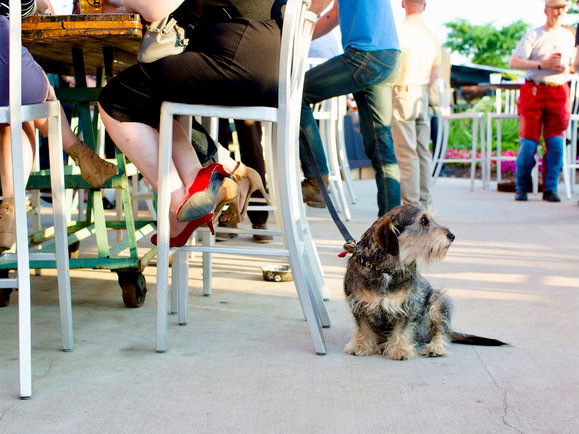
P.S. Speaking of dogs who need extra time to find their families, the beautiful girl in the picture, Shaka, is available for adoption at our Milwaukee Campus. We all hope her day will come soon!
Anne Reed became the Executive Director of the Wisconsin Humane Society in January of 2010. Before joining WHS, Anne spent almost three decades as a corporate litigator at the Milwaukee law firm of Reinhart Boerner Van Deuren SC.
At the Wisconsin Humane Society (WHS), Anne stepped into the leadership of Wisconsin's oldest, largest and most recognized animal welfare organization. For more than 130 years, WHS has been saving the lives of animals in need, and carrying out its mission to build a community where people value animals and treat them with respect and kindness. WHS helped to pioneer the idea that every animal available for adoption in a shelter could be free of time limits, taking as long as needed to be adopted. WHS operates shelters in Milwaukee, Saukville and Racine.
Anne serves on the board of directors of the National Federation of Humane Societies (NFHS), Wisconsin Federated Humane Societies, and Shelter Animals Count, a national database initiative. She also chairs NFHS's 2020 Vision Initiative. Anne also served as president of Meta House's board of directors from 2005 to 2007 and served on the board from 2001 to 2010. As a lawyer, she was named one of the Wisconsin Law Journal's "Women In The Law;" was named to the list of "Wisconsin Superlawyers," and authored a law blog which was twice named one of the 100 best in the country by the American Bar Association's ABA Journal.